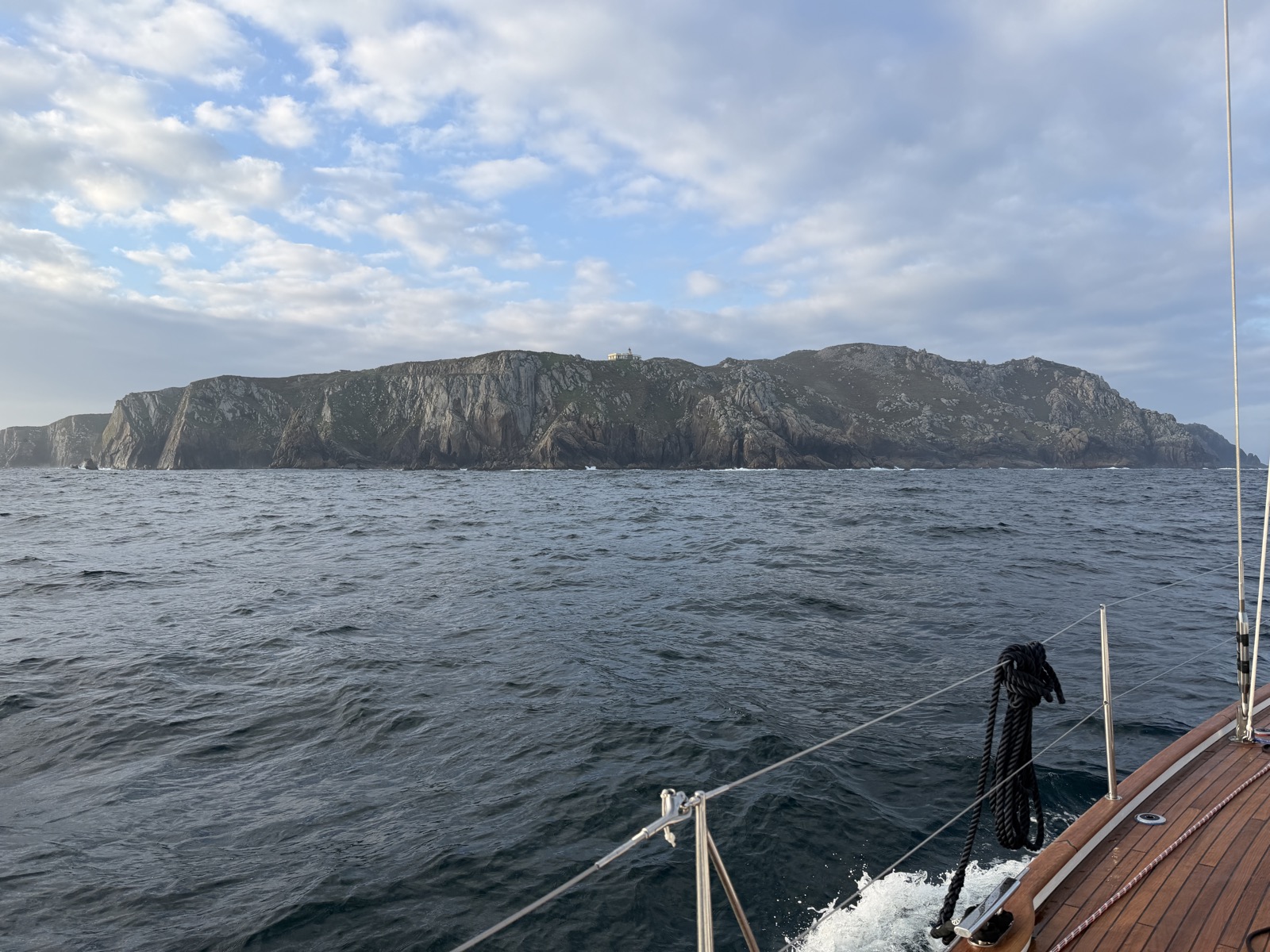
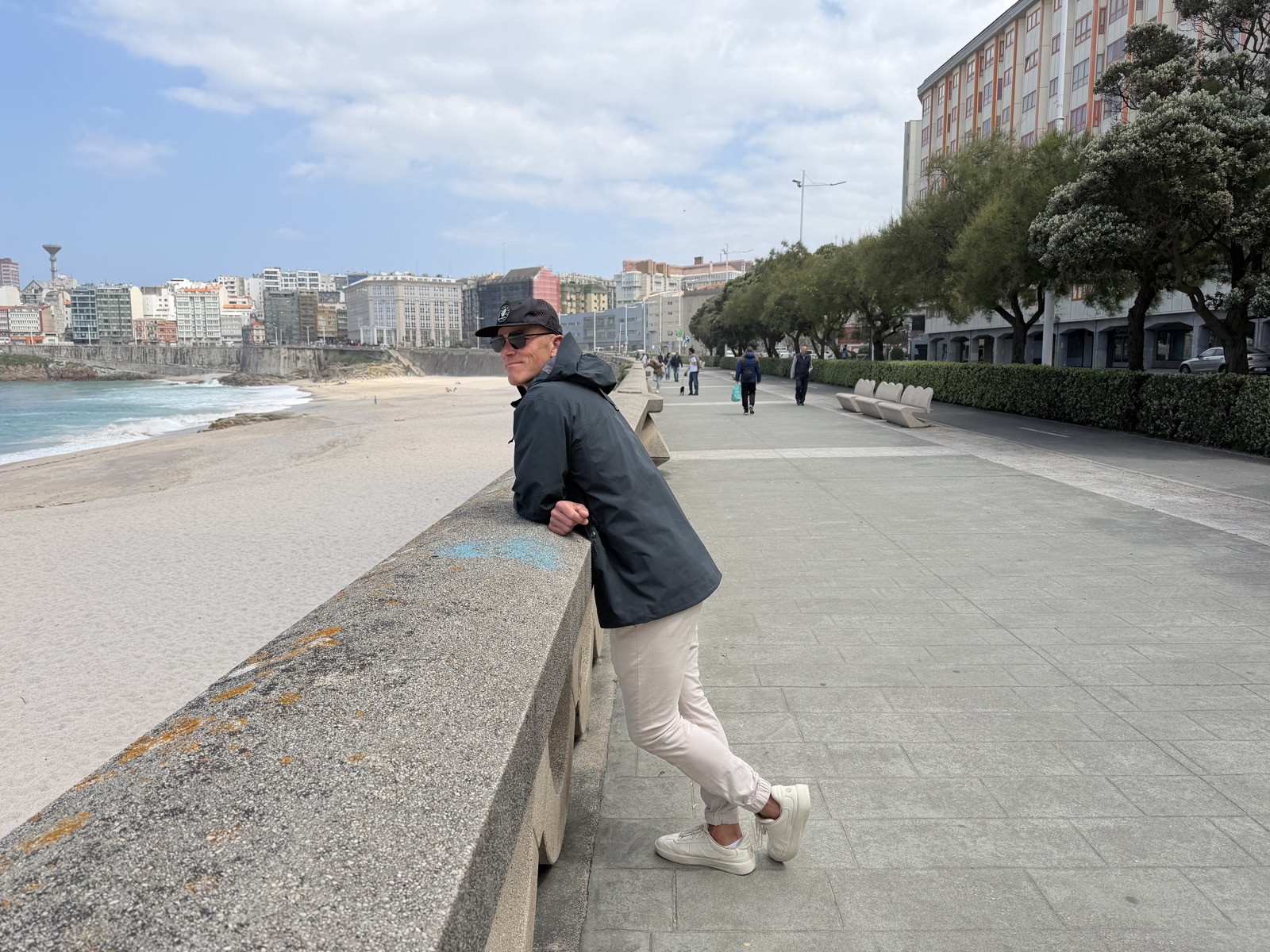
Brighton, evening. I got lucky with the slip assignment. Wind was blowing, but the berth was a horizontal tie with my bow facing into it, so I managed to dock alone despite the code zero completely filling the cockpit. The sail was blocking the companionway, so I hauled it onto the dock and tried to fold it in the dark and wind. Exhausted, I mostly failed. I got it back into the cockpit at maybe 10% reduction in size, just enough to squeeze through and down into the boat. I FaceTimed with Britt for some moral support, ate something, and fell asleep.
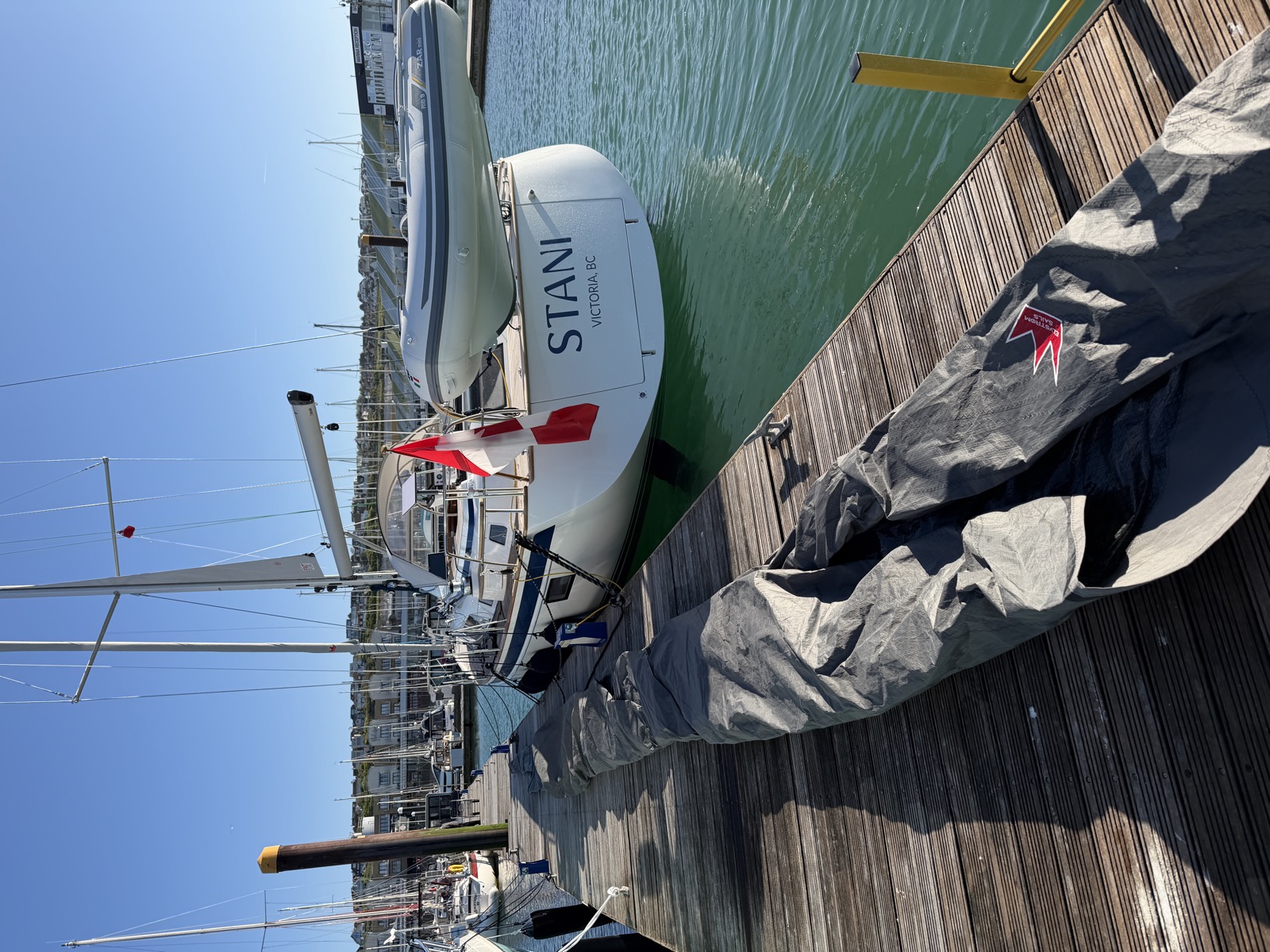
In the morning I managed a loose furl on the dock, stuffed the sail into its bag, and stowed it in the bunk room. I walked ashore, had a coffee and a cookie, and picked up a courtesy flag for Guernsey. Realizing the marina entrance shoaled at low tide, I rushed back and set sail just before 10am.
The passage to Cowes was a mix of sailing and motoring, frustrating without the code zero for the light patches. Some fault code digging pointed to a failed Motor Control Unit. On the bright side, the emergency deck-douse I'd done was exactly what the manual recommends in that situation.
I sailed into the Solent past giant cruise ships and old military forts and arrived at Cowes by 6:30pm, grabbing a spot on the outside of the breakwater. The marina was buzzing with people socializing on their boats. I assumed a regatta, but apparently it was just a nice evening.
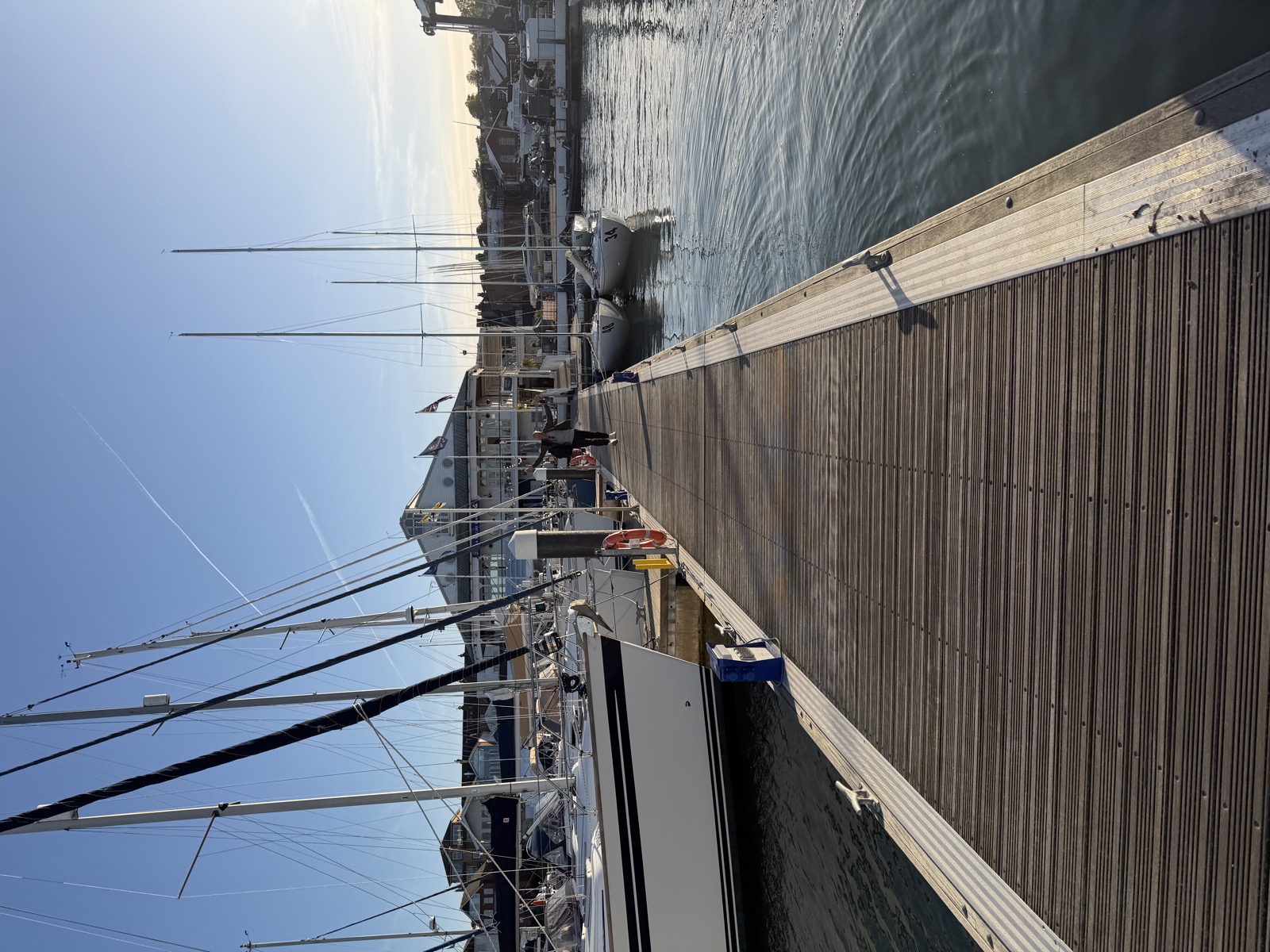
Damian had been in the air from Victoria to London while I was wrestling with the sail, and on a bus from London to Portsmouth while I was sailing the Solent. We met on the dock; he was joining me for the Bay of Biscay crossing. We did a quick grocery shop and found a proper British pub for dinner.
Guernsey, via Alderney
We left Cowes at 6:45am. Good wind carried us a long way, but not all the way to Guernsey, so we altered course for Alderney and cut four hours off the trip. Both are Channel Islands: British Crown Dependencies with their own parliaments and tax systems, outside both the UK and the EU, sitting closer to the French coast of Normandy than to England.
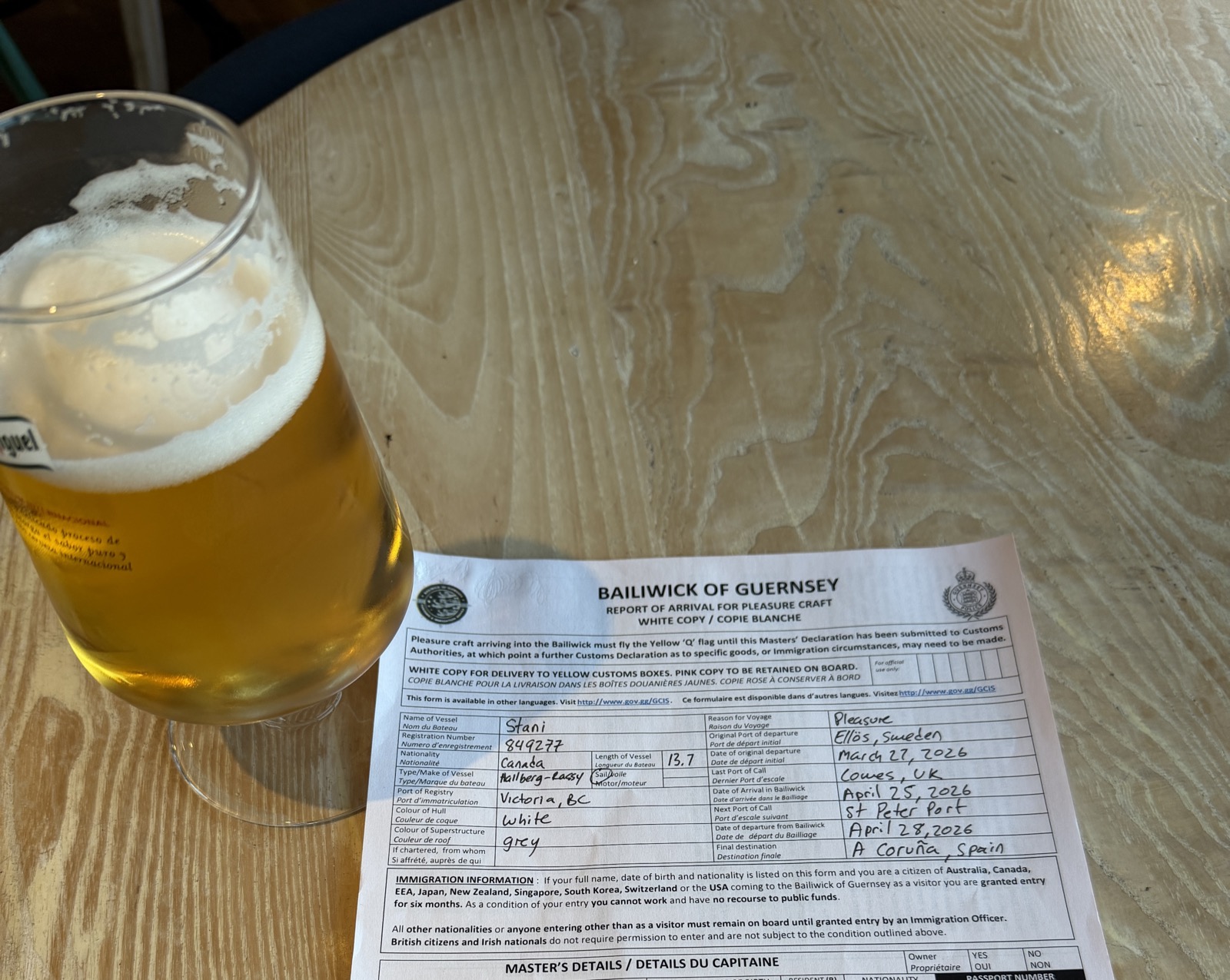
We picked up a visitor mooring and flagged down the water taxi to go ashore for customs. The pen in the self-service box was dry. The water taxi lady suggested we borrow one at the pub and have a beer while we filled out the form. So we did, and added a pizza. Back aboard, I swapped the yellow quarantine flag for the Guernsey courtesy flag.
Morning brought light winds and mostly motoring for the final stretch. A dinghy met us at the entrance to the marina and guided us to a spot on the visitors dock in St. Peter Port.
Sunday morning in the old harbour town was alive: a big market with live music, food trucks, and stalls lining the marina parking lot and adjacent streets. We checked out the scene on our way to the office to pay for the night.
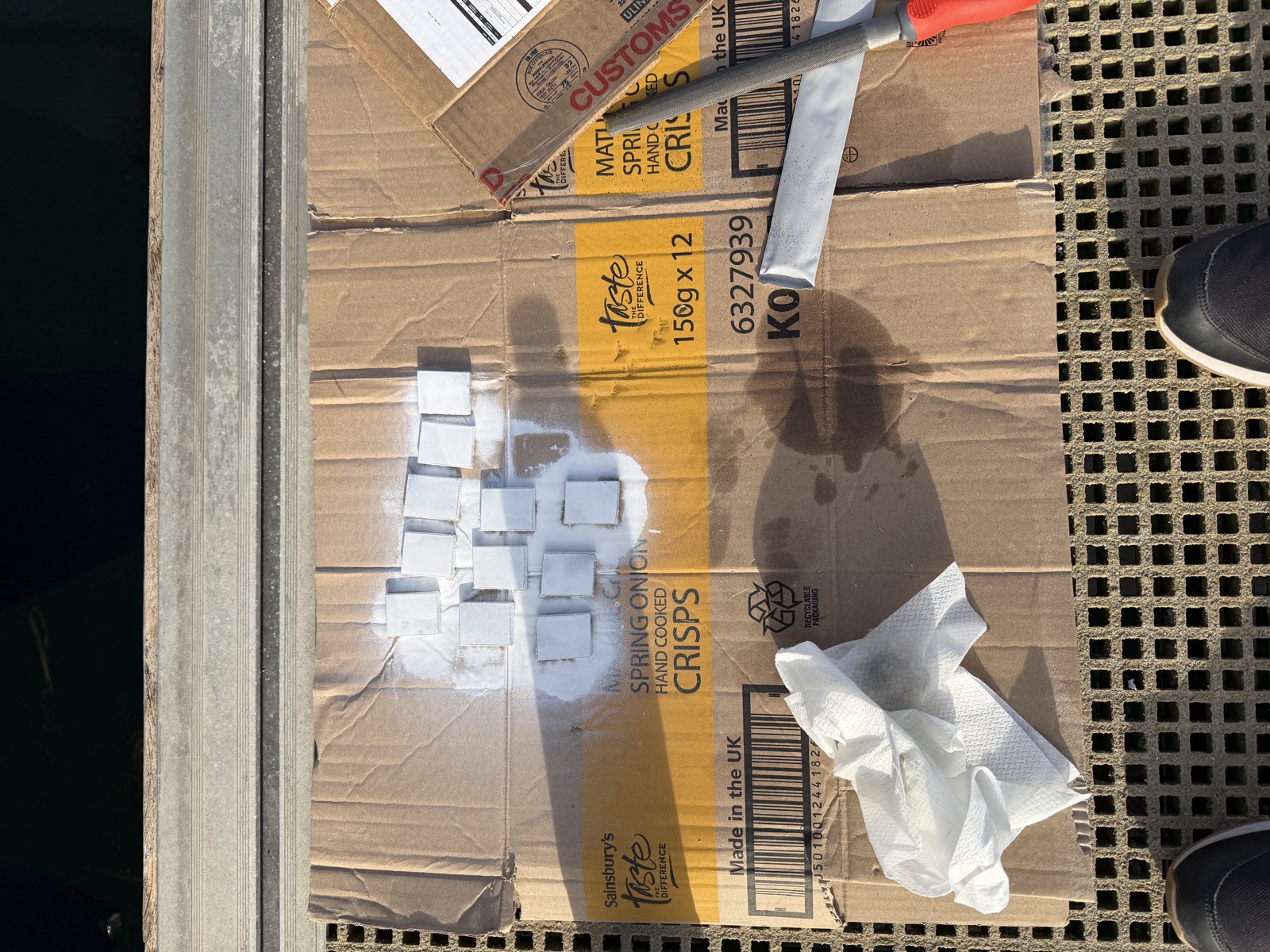
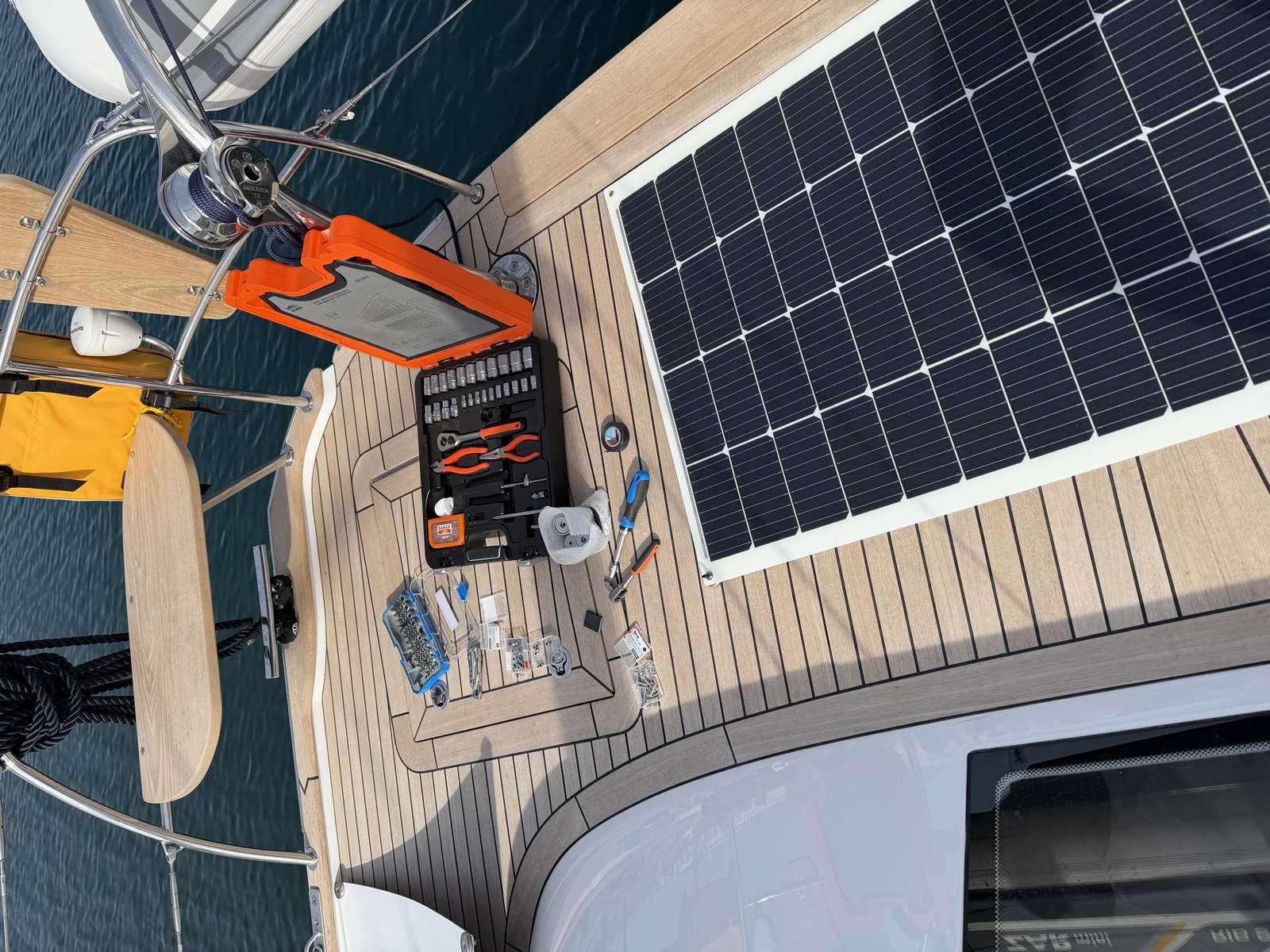
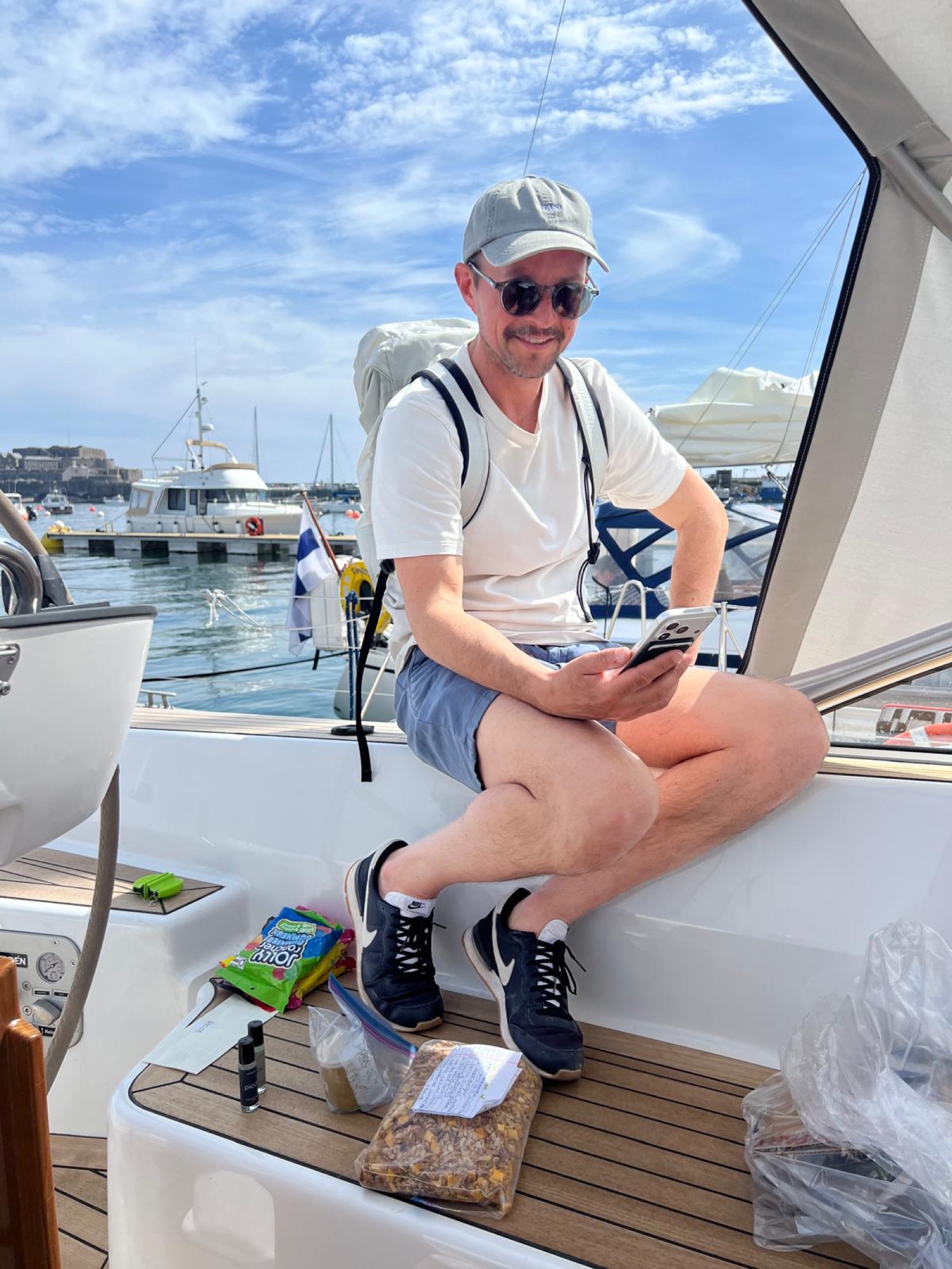
We had a list to work through before tackling the Bay of Biscay, a 455-nautical-mile, three-day crossing to A Coruña: provisions, fishing gear, solar panel installation, and collecting a care package from Britt. Damian took on the worst job: cutting 12 small steel backing plates with a hacksaw, one for each magnet holding the solar panels to the bimini. He also made a big pot of chili for the crossing; I made another loaf of banana bread.
Bay of Biscay
We topped off the water tanks in the morning and pointed the bow south.
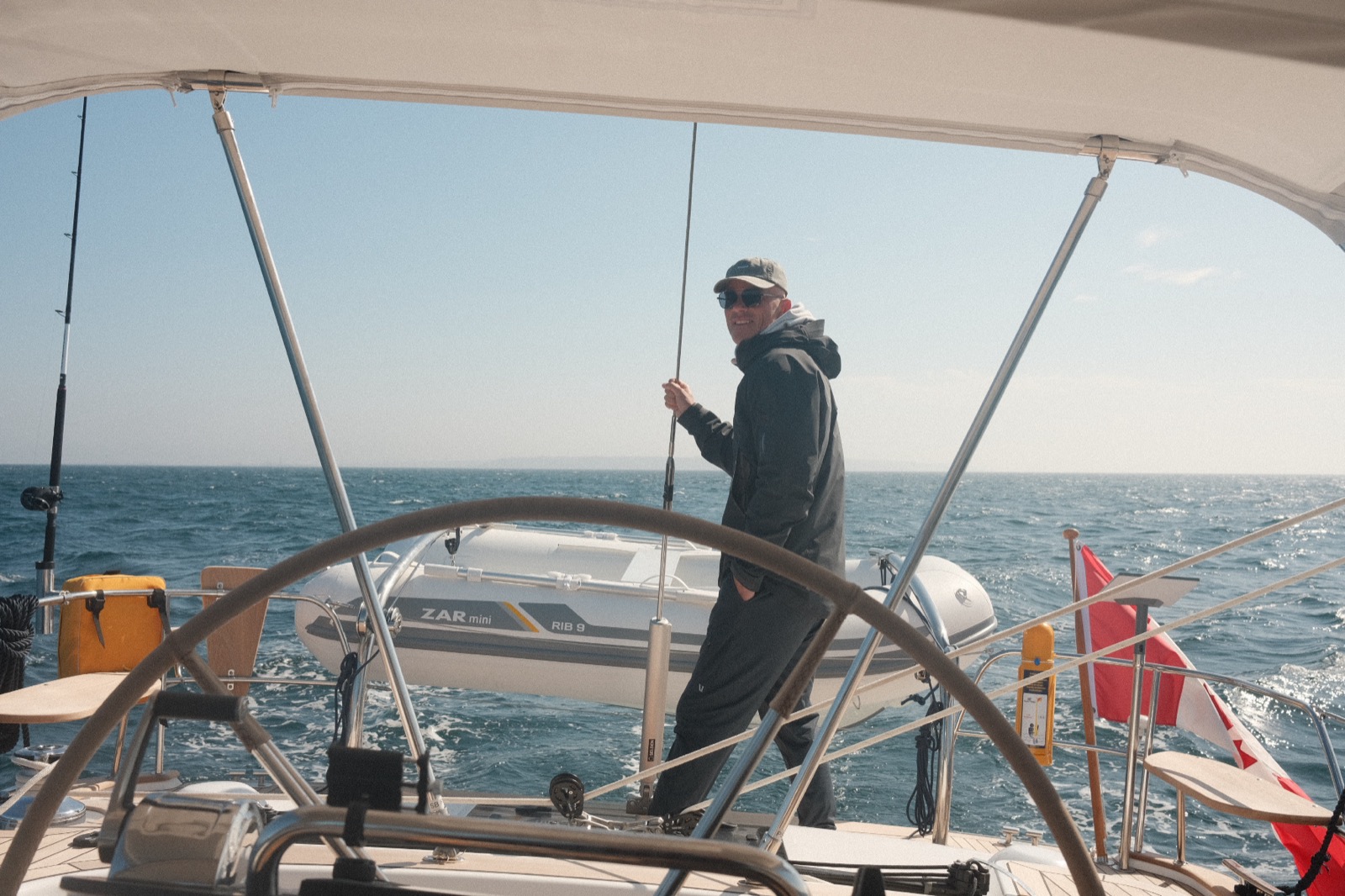
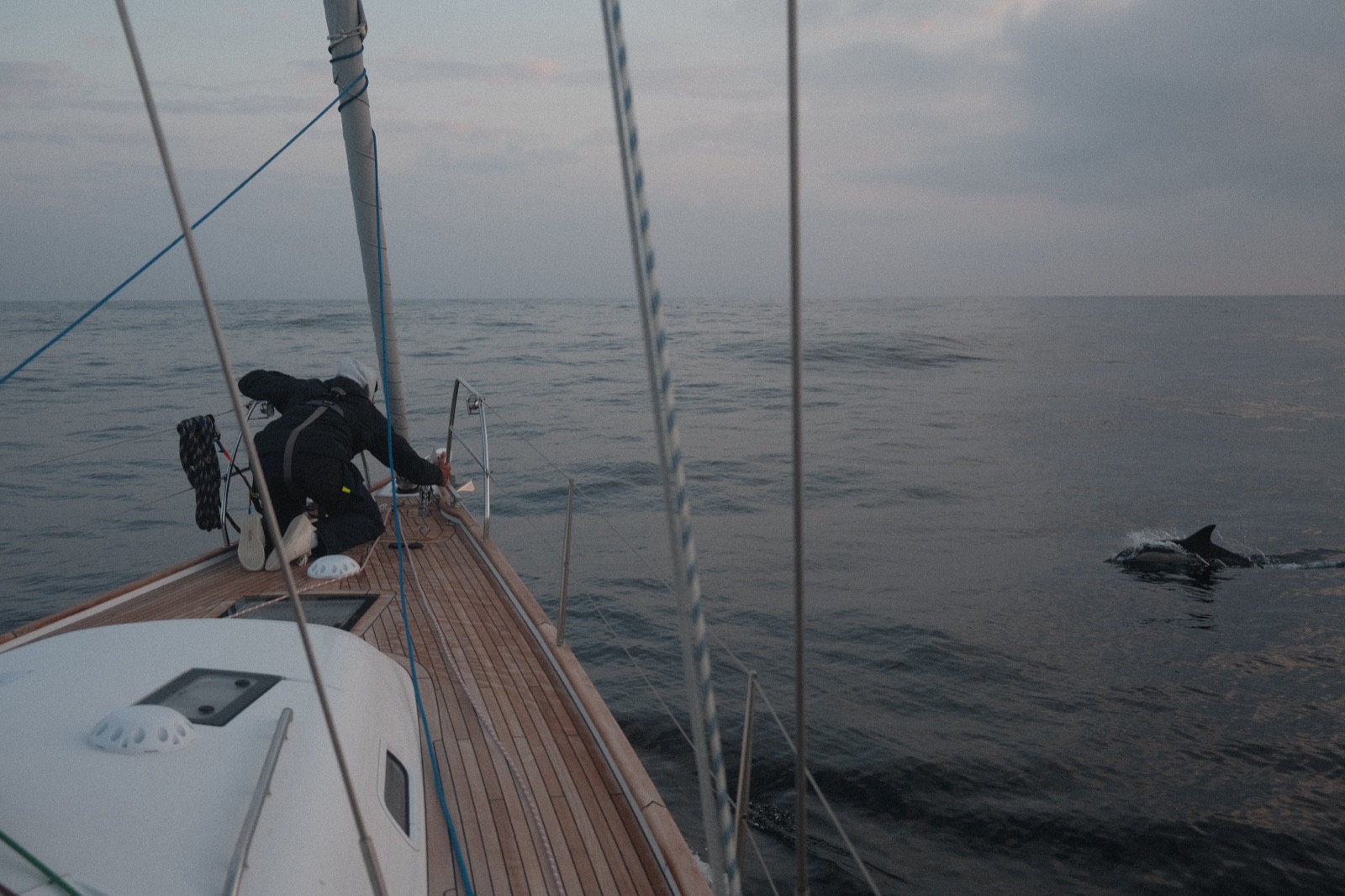
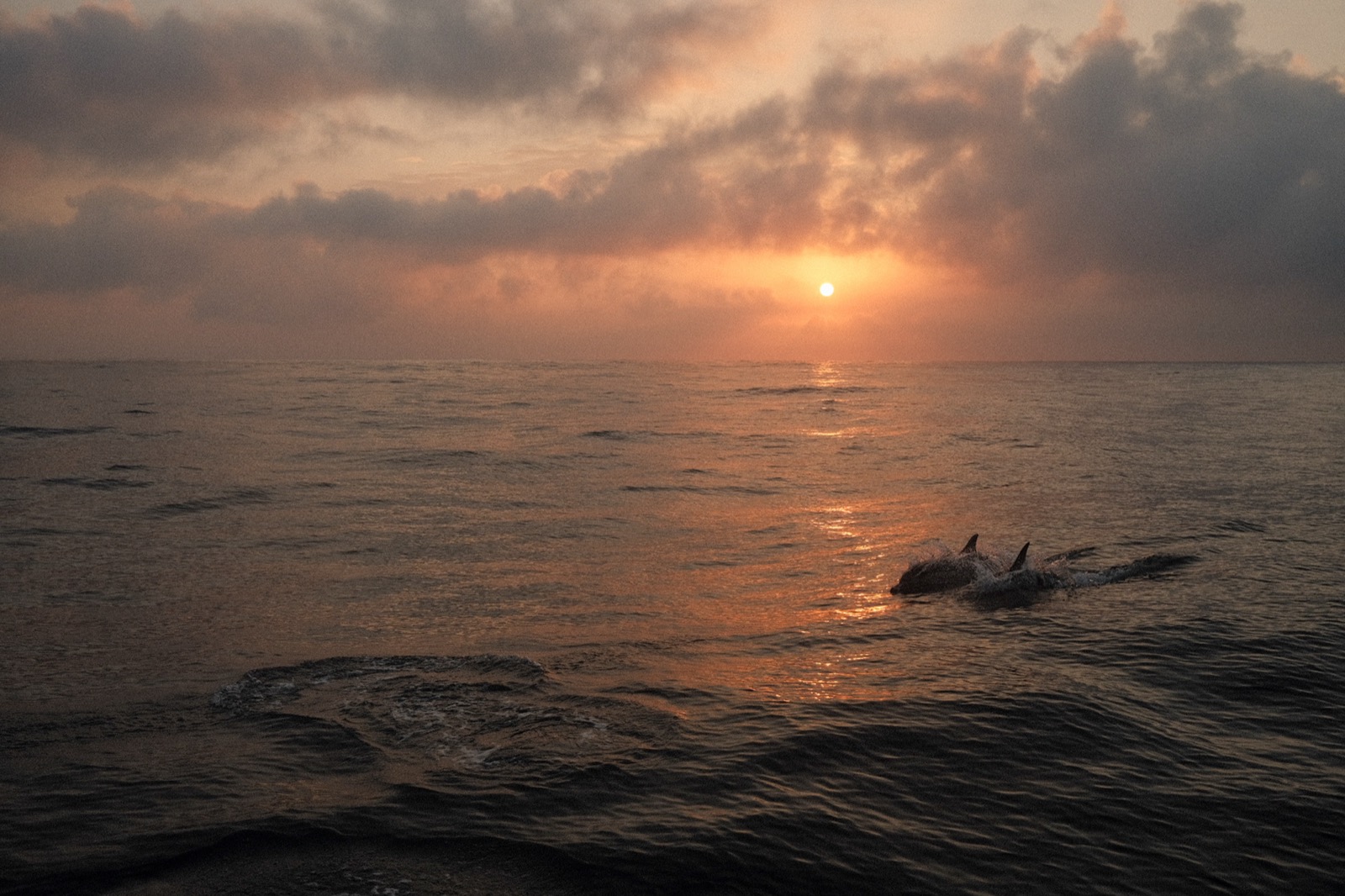
The next three days blurred together. Checking the chart was almost discouraging; it barely looked like we were moving. We had good wind and sailed most of it, trading four hours on, four off, spending the daylight hours together in the cockpit. We talked, listened to music, fiddled with the fishing gear, and stared at the horizon. On the last evening, a huge pod of dolphins found us and swam alongside during sunset.
We first saw the coastal cliffs of Galicia, then in the distance, the city of A Coruña. Tired but excited to be on land and in a new country, we checked in at the marina, walked around to a few different government buildings looking for customs, then wandered through town.